Overhead cranes, particularly heavy-duty types like a 40-ton overhead crane, are essential for industries that handle large and heavy loads, including steel manufacturing, power plants, shipyards, and warehouses. While standard cranes are widely available, many industries require customized solutions tailored to their specific operational needs. Customization and special design are crucial factors that directly influence the pricing of a 40-ton overhead crane. Understanding these factors can help businesses plan budgets, optimize investments, and select the right crane configuration for their operations.
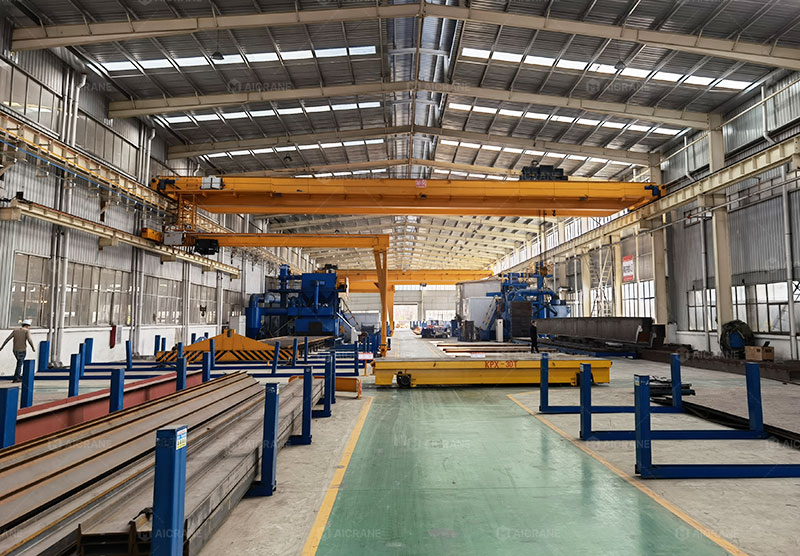
Understanding Standard vs. Customized 40 Ton Overhead Cranes
A standard 40-ton overhead crane typically includes a predefined design, load capacity, span, lifting height, and standard control options. Overhead crane manufacturers offer these cranes as ready-made solutions with predictable costs. However, the requirements of industrial operations often go beyond standard specifications. Factors such as unique building dimensions, heavy-duty operational demands, complex material handling workflows, and environmental considerations can necessitate a customized design.
Customization can involve alterations in structural design, electrical components, mechanical systems, control systems, and safety features. Each modification influences the overall cost of the crane. It is essential to distinguish between standard upgrades, which may have minimal impact on pricing, and special designs, which can substantially increase costs due to engineering, material, and manufacturing complexities.
Structural Design Considerations
The structural design of a 40-ton overhead crane is a major determinant of price. The primary structural components include the bridge, end trucks, and hoist mechanism. Customization in structural design can occur in several areas:
-
Span and Lifting Height: The span of the crane – the distance between the two runway rails – affects the amount of steel required and the size of the bridge. A longer span requires stronger materials and additional reinforcements, increasing manufacturing and material costs. Similarly, a higher lifting height necessitates taller crane girders and additional support mechanisms, further impacting the price.
-
Bridge Type: A standard double girder design is common for 40-ton cranes, offering strength and stability. However, some operations may require a single girder design with reinforced structures or a specialized design to accommodate tight spaces or unique installation environments. Custom bridge designs can increase engineering and production costs.
-
Special End Trucks and Wheels: If the crane needs to operate on curved or uneven runways, custom end trucks or wheels may be necessary. Specialized wheels, wheel profiles, or additional shock absorption mechanisms improve stability but add to the crane’s manufacturing cost.
-
Material Selection: While standard cranes use structural steel with typical mechanical properties, harsh environments like marine or chemical plants may require corrosion-resistant or high-strength alloys. The use of premium materials increases the base cost of the crane substantially.
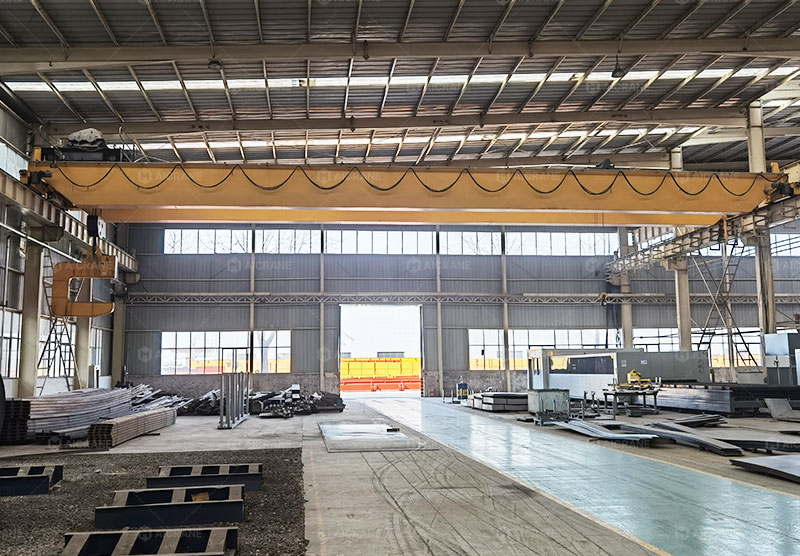
Mechanical and Hoist Customization
The hoist and trolley system is the heart of any overhead crane. Customization in this area can directly influence performance, safety, and 40 ton overhead crane price:
-
Hoist Type and Speed: A 40-ton crane can use wire rope or chain hoists, each available in standard and specialized configurations. Multiple speed options, variable frequency drives, or precision positioning systems add to the cost. Industries with delicate handling needs often demand hoists with exact load positioning and smooth acceleration, which require specialized control and mechanical systems.
-
Load Distribution: Some operations involve lifting irregular loads or extremely heavy, unbalanced items. Special design modifications, such as extended trolley beams or dual-hoist systems, may be necessary to ensure load stability and safety. These adaptations significantly influence the overall cost.
-
Customized Hooks and Attachments: Beyond standard hooks, industries may require custom lifting attachments, such as magnets, grab buckets, spreader beams, or specialized clamps. Each attachment is designed for a specific lifting scenario and adds to manufacturing, engineering, and installation costs.
Electrical System and Control Customization
Electrical systems and control methods are vital for crane safety, efficiency, and operational compatibility. Customization in these areas can significantly affect pricing:
-
Control Modes: Standard cranes often include ground push-button controls or pendant controls. Custom overhead cranes may require radio remote control, cab-mounted operation, or advanced PLC-based control systems for automation and integration with other equipment. Advanced control systems increase both the upfront cost and installation complexity.
-
Variable Frequency Drives (VFDs): VFDs allow smoother acceleration, precise speed control, and reduced mechanical stress on the crane. Customizing the crane with VFDs for all movements (hoist, trolley, and bridge) can enhance operational efficiency but adds significant electrical and programming costs.
-
Power Supply Adaptation: Some industrial facilities require cranes to operate on non-standard voltages, three-phase or even DC power. Adapting a crane to these requirements may involve redesigning the motor and control systems, which can substantially increase cost.
-
Integration with Automation Systems: In modern manufacturing facilities, cranes may need to integrate with automated storage and retrieval systems (ASRS) or warehouse management systems (WMS). Custom software, sensors, and networking infrastructure must be incorporated, impacting pricing.
Safety and Environmental Considerations
Safety and compliance with industry standards are critical when customizing a 40-ton overhead crane:
-
Anti-Collision and Limit Switches: For operations involving multiple cranes in the same workshop or restricted spaces, anti-collision systems, proximity sensors, and programmable limit switches are essential. These safety enhancements require additional sensors, software, and control integration, which increase the eot crane price.
-
Environmental Adaptation: Cranes operating in extreme temperatures, corrosive environments, or dusty conditions require protective coatings, specialized bearings, and sealed electrical systems. Customizing for these environments ensures longevity and reliability but adds to the cost.
-
Ergonomics and Operator Safety: Custom cabs with improved visibility, climate control, and ergonomic controls enhance operator comfort and reduce fatigue. While optional, these features contribute to higher pricing.
Engineering, Manufacturing, and Installation Costs
Customization also impacts the overall project cost through extended engineering, manufacturing, and installation efforts:
-
Engineering Hours: Special designs require additional engineering hours for structural calculations, stress analysis, electrical schematics, and safety compliance. Complex designs increase labor costs and lead time.
-
Manufacturing Complexity: Custom components may require specialized fabrication processes, non-standard materials, or precision machining. These factors increase production costs compared to standard models.
-
Installation and Commissioning: Custom cranes may require tailored installation methods, additional on-site testing, and calibration to ensure proper operation. Advanced commissioning processes add to the total project cost.
The Pricing Impact
Overall, customization and special design can increase the cost of a 40-ton overhead crane by 20% to 60% or more compared to a standard model, depending on the complexity. While the base cost includes the crane’s mechanical structure and basic electrical system, every specialized feature—from extended spans to integrated automation – adds incremental costs. Businesses must weigh these costs against operational benefits, safety improvements, and long-term efficiency gains.
Investing in a customized crane can improve productivity, reduce downtime, and enhance safety, making the additional expense worthwhile. However, careful planning, detailed specifications, and consultations with experienced manufacturers are essential to avoid unnecessary expenses.
Conclusion
Customization and special design play a critical role in determining the pricing of a 40-ton overhead crane. Factors such as structural modifications, hoist and trolley customization, electrical system adaptations, safety features, environmental protection, and integration with automation all influence the final cost. While these features add to the upfront investment, they can significantly enhance operational efficiency, safety, and longevity.
When planning to purchase a 40-ton overhead crane, businesses should clearly define their operational requirements, environmental conditions, and safety expectations. By collaborating closely with a crane manufacturer, it is possible to strike a balance between customization and cost-effectiveness, ensuring that the crane not only meets current needs but also supports future operational growth. Ultimately, understanding how customization impacts pricing empowers buyers to make informed decisions and maximize the value of their overhead crane investment.